Returning to my other HOME

Three years after Covid forced me out and a major heart surgery threw a wrench in my travel plans, I finally made it back to Armenia last weekend. It was amazing how quickly the warmth of Armenians and reconnecting with old friends melted away the anxiousness I had about travelling to the southern Caucasus region. My worries were never of the normal kind, i.e., would people and places still be as I remembered? Would there still be a connection to, and love for, the communities where I trained and worked. I was more concerned about being fit enough for the journey.  

My current adventure began with new target destinations: to see parts of the country I had not yet visited; and this thanks to having a good rental car at my disposal.  Of course, driving also made me a little anxious but having a great, funny, supportive team of fellow travellers (Jesus and Ani from Peace Corps’ A27 cohort and our new friend Marietta) made my first trip to the Vayots Dzor region perfectly enjoyable. Our journey took us to the spa town of Jermuk, or what I call Armenian Karlovy Vary (Carlsbad for German or English speakers). This small, unassuming town nestled in between cliffs and canyon made for a nice respite from the stress of air travel. It also filled me with hope for all that tourism can, and hopefully will one day, offer local and regional businesses in Armenia. Although the dominant buildings in Jermuk are large therapy and rehabilitation facilities as well as a couple of resort hotels, the town’s charm, at least for me, derives from the nature that envelops it. There are the cliffs west of the town centre formed from volcanic activity and “tubes” of basalt. These geographic features always make me think of Superman’s Fortress of Solitude. Then, as you meander to the north end of Jermuk’s “Main Street”, you will find a sign pointing you to stairs that take you down to a beautiful, breath-taking gorge or canyon and the gurgling river that soothes even the most exhausted traveller’s nerves. 

As you walk along the canyon path, you are surrounded by beautiful flora – wild roses greet you at every turn along with other colourful flowering plants (I couldn’t tell you their names for the life of me) that jump out in shades of pink, blue, yellow and purple. The trail also offers a break from the intense summer sun that warms all of southern Armenia. Cliff overhangs and large boulders (even a rock arch) cool the canyon and make the hike all the more pleasant. Finally, when you reach the river’s edge, it only takes a few more steps before you hear that a wonderful surprise awaits. The sound of rushing water shushing eager hikers soon reveals itself to be an amazing waterfall towering from the hilltop above. It carries the cool, refreshing Jermuk waters down to the river so they can travel further south to Armenia’s Syunik region.

Many travellers will journey to Jermuk to enjoy the curative spring waters, to relax or to seek rehabilitation. Odd traveller that I am, I went there to be hugged by the hillsides, calmed by the canyon river and streams and to listen to nature telling me to slow down. There is so much energy bursting in this beautiful landscape that I can’t wait to return one day: to hike more in the sun-drenched golden mountains; to watch local beekeepers as they gather their honey; to observe the farmers as they cut, mow and rake their hay into small bales; and mainly to enjoy the serenity that is, and always has been, the mountains, gorges and canyons of Armenia.

It felt good to be back in those Armenian mountains; it felt good to be back in, and embraced by, one of the lands I now call home.  

Following the clouds across Denmark

Could it be six? Or perhaps it was eight years? Memories came flooding back as the familiar forest of wind turbines that populate the sea of Denmark’s southern coast announced our approach to the Kastrup district and Copenhagen’s airport. So many years of recollections returned along with the apprehension of comparison: how would the present compare to the joy of all the special times from past visits?

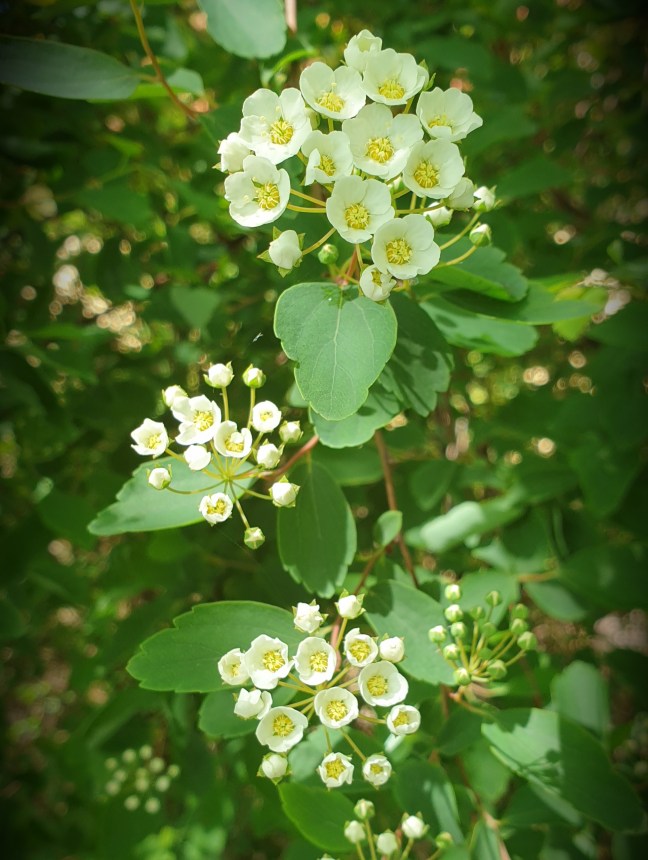
However, slowly but surely, the days would unfold just as they were meant to be. Throngs of cyclists accompanied us as we headed to the house – the garden, upon arrival, still full of spring fragrances: lilacs, mock orange, rose blossoms, bridal wreath spirea and more. After a big welcome hug, the conversation began right where it had left off so many years ago. We shared news of what had changed in our lives and thoughts on the state of the world. The scent of fresh-brewed coffee filled the air as we sat in the garden and filled in the gaps of that half-decade.

The beauty of Copenhagen, and Denmark for that matter, lies in the warm welcome of its familiar serenity. Decades ago we would have been on our bikes whizzing into the city centre or headed out along the coastline to ride through the nature preserve. But habits have changed and health and aging have introduced limitations. The absence of riding was replaced by the careful steps of daily walks and thoughtful conversation. The neighbourhood beach had come alive with skateboarders, surfers, paddleboarders and joggers. Strolling along the shore, we watched kids at play and the more daring cranes and herons high-stepping it through the rivulets.

In between walks we enjoyed familiar culinary treats that had also remained unchanged over the years. The hearty open-faced sandwiches and a bottle of elderflower (hyldeblomst) soda pop here and there. Also, the rich cakes and tartes that quickly satisfied one’s sweet tooth; my only regret being new restrictions on how much rhubarb I could consume. The wonderful flavours of local baked goods quickly reminded me that I would need to raid the local store to hoard up my favourite Den Gamle Fabrik jams: hyben (rose hip) and raspberry. Both of which have added pizzazz to my morning porridge since my return to Prague. 

Memories continued to replenish my soul as we moved north to Nykøbing and the Rørvig area. The road to the summer house had been repaved with a mix of tar and gravel. Not sure that was a good idea. But the excess saplings in the front yard and been cleared and the rhododendrons moved to form a beautiful floral wall at the back of the property. The ever-changing Danish weather did us a solid by allowing the sun to shine and accompany us on our walk along the north shore beach that looks out on the Kattegat. We were lucky to have the coastline almost all to ourselves with the exception of an intrepid family that wanted to test the possibility of swimming in the still chilly spring waters and a sole windsurfer who was preparing to try his luck in taming the less than threatening waves. The walk seemed at times overwhelming as it brought with it mental images of past rainy Saturdays in the cottage and cycling adventures along the windy levee and through flooded fields. Or the surprise sight of a windmill on the horizon.

The pleasure of Denmark is that it is easy. No matter how long the gap between visits, each new arrival brings the same warm welcome. And each departure has a sadness of things left unsaid. Still I know I will return, because in København I feel loved.

Meeting Missouri in the Moselle Valley

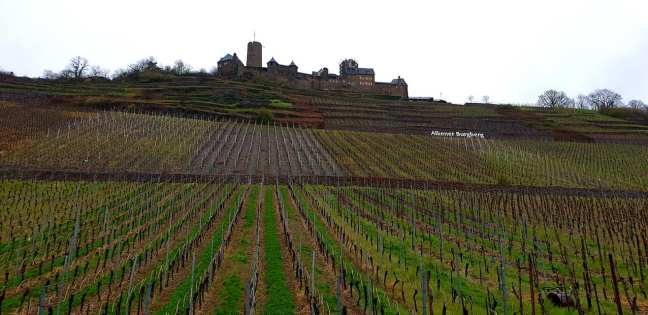
A couple weeks back I coerced a small group of close friends to road trip with me to spend my birthday south of Koblenz, Germany just below the point where the Moselle River flows into the Rhine. I had read somewhere years ago that many of the German immigrants who came to inhabit the area along the banks of the Missouri River (in the segment between Jefferson City and St. Louis) had once lived on the banks of the Moselle. They had made wine in Deutschland and later came to practice the same art in their chosen destination in middle America.

Although the steepness of the bluffs along the Moselle River was much more striking, I could see bits of Missouri in this landscape near the Franco-German border. The river was wide, a muddy green, as well as quick flowing: much like the Missouri River which also bears the nickname “Big Muddy”. However, what the Missouri lacks is the quant little villages and towns tucked in small valleys and ravines along the river banks where, theoretically, you can traipse from house to house ringing doorbells and asking to sample the last season’s wines.

As I chauffeured Laura, Natalie, Pete & Jakub between Moselle Valley hamlets, it became clear that there were a number of local rules that complicated the “drop by anytime” philosophy. The first was that the Weingüter operate only during afternoons on weekends. So after a couple of failed attempts in Kattenes, we decided to move on to the bigger town of Cochem. There, sampling the Moselle Rieslings was less about which vintners were open and willing to show off their wares and more about finding a restaurant with a good selection of local wines. 

In this beautiful Moselle Valley town dominated by a beautiful, yet haunting, castle, we snuck from restaurant to bistro and on stopping to enjoy the light, fragrant white wines and taking advantage of a decent block of sun we’d been offered on an otherwise rainy weekend. It was relaxing to absorb the warming sun along the near-flooding river and observe how spring was slowly starting in the region. That’s when we also got wind of another rule: tourist season along the Moselle doesn’t really start until Easter weekend so it’s better to come visit after that, once wine cellar owners are ready for the Riesling-imbibing crowds.

Still, despite our seemingly premature arrival, we did have a fun culinary and oenological weekend in the villages we visited. Whether it was Niederfell or Cochem or Alken, we had some good wine and spirits and indulged in the very tasty local version of schnitzel made using a special mustard to marinate the meat. Also, hats off to the patient restaurant owners and cooks who took the time to explain their local gastronomy and cuisine to us and who tolerated our crowd when perhaps a few too many wines had been sampled. Or the day of wine-tasting had started too early. 

Plus, kudos to the local tourist/hiker clubs or trailblazers who set up wonderful walking paths leading through local forests and taking wanderers to the tops of the bluffs that look out over the river valley. Despite some kinks in the weather, it was a wonderful weekend in one of Germany’s celebrated wine regions. The natural beauty coupled with the shenanigans of good friends made turning 50 a tolerable experience. 

I would like to close by thanking Werner Sander and his team at the Café-Konditorei-Pension Sander for their amazing hospitality and excellent pastries. Plus, a big thanks to the staff at the Moselblick Niederfell restaurant for the beer sampling and the wonderful service, food, and mainly patience during my birthday dinner. And finally, a big shout out to our new friends from Tortesia who made a great weekend even more special. A weekend in the Moselle Valley … I highly recommend it.  

Train to the past present – back to Žďár

A trip through memories from the start of my life in the Czech Republic

Traditionally this blog space is meant for my thoughts on travel abroad and, when possible, going to fun, exciting destinations. The pandemic and personal health issues have slowed all that down for me over the past two years (as with everyone). But recovery is in full force and I had what I will call the surprising good fortune to have my train re-directed on a route through my past during my recent trip to meet up with friends in the charming wine village of Valtice

Since Czech Railways is repairing part of their northern corridor, I quickly found out that my journey would take me through the southern route crossing the Czech-Moravian Highlands (the Vysočina region) and small part of my past. It did seem odd getting on the train and looking at an itinerary that skipped from Kolín (in Central Bohemia) on to Brno (what I call the capital of Moravia). But the diversion brought back so many memories as it crossed through the towns where I spent my first years of my sojourn (now life) in the Czech Republic. 

As the morning sun stretched across the landscape, I saw the names of familiar towns pass quickly by my window: Kutná Hora (home to the beautiful St. Barbara’s Cathedral and former mining town), Čáslav (home to a military air base and easily recognisable with the bell tower that stands watch over the town centre) and then Světlá nad Sázavou, a quiet town on the Sázava River, famous for its glass-making. I had the privilege of working many times, in my later career, with a local glassworks firm and both their products and customer service were flawless.

Soon though, we would arrive at the eastern frontier of Bohemia where it disappears into Moravia. That’s when I saw it: the blue and white sign announcing our passage through Havlíčkův Brod. This was one of my main weekend haunts in the early 1990s when a 22-year-old, naïve young man from Missouri had taken on a teaching job in nearby Žďár nad Sázavou (already in Moravia) and would travel to Havlíčkův Brod to spend weekends with teacher-friends in our small expats-meet-locals community. From the window of the train I could smell the memory of a tasty soup Jodi had just made on a snowy winter Saturday, or smoking Sparta’s or “Startky” or whatever was available during pub debates with fellow Missouran, Matt from St. Louis. With Matt, Jodi and guitarist Vojta or whomever else joined our crew, we were likely drinking a Rebel or a Ježek from one of the nearby regional breweries. Quickly though my view of Havlíčkův Brod faded from sight and I began trying to remember the names of villages the local train (Os – osobák; what we dubbed the “oh so slow me” train because that sort of rhymed with the official Czech name osobní) passed through before hitting Žďár. The only ones I recalled were Přibyslav and Veselí. 

And then I saw it on the horizon, the arrival of Žďár. The first glimpse includes the garden communities on the west end of town and then the rail line widens to service incoming and outgoing freight to the largest local enterprise, Žďás. I think at one time it may have employed over half the town. Although not visible from the train, I wondered how many of my old haunts, stores, schools and restaurants were still around. I know the White Lion Hotel (Hotel Bílý lev or Bílého lva) no longer exists. I assume my place of employment, the Škola ekonomiky a cestovního ruchu and its administrators the Holemářovi are still doing fine. But what of the grocery store Mana (by now it’s likely a Lidl or Albert) and the department store we called Papír, hračky, sport (Paper, Toys, Sport)? Because that what was written of on the windows of each floor when viewed from outside. Or what became of Süssův hostinec, the pub that was so local that we foreigners were scared to enter, but which somehow became super friendly once its beer garden opened in the summer? At the time, I spoke perhaps 8 words of Czech and didn’t have the gumption to ask the locals if our entourage could “přisednout” (i.e., join their table provided chairs were available).

Of course, the train moved on quickly towards my destination of Břeclav. But my mind remained stuck at the Žďár train station. What had become of all those students from so long ago. I know Jirka Filippi is a successful corporate manager; Petr Váněk, a good friend of Jirka’s whom I once told in a moment of frustration that his English was subpar and asked what he was going to do when Jirka wasn’t there to speak for him? Well, Petr has since proven to me that perhaps it was the teacher, not the student. He’s become a successful actor and has gone on to play not only roles in Czech movies, TV shows and commercials, but also in English-language films as well. Simply put, he showed me. And I’m so proud he did. So many more names came to mind as the train progressed toward Brno: what of Marek Pospíšil, of Lenka, or Renata or Vít (I hope I have his name right: he was a young, blond, bespectacled student from Havlíčkův Brod who studied in Žďár and invited me one Saturday to meet his mother … how we had any type of conversation in Czech is beyond me; I am guessing Vít was a good interpreter).

Needless to say, I made it to Břeclav and caught my connection to Valtice, where I caught up with the Hradec crew and watched them taste (sample) more wine than any of them can possibly remember. But děkuji (thank you) to Czech Railways for those rail repairs. You took me back to a place in time where both my students and I had our futures still before us. For that I am grateful.

The Secret of (Lac) Leman

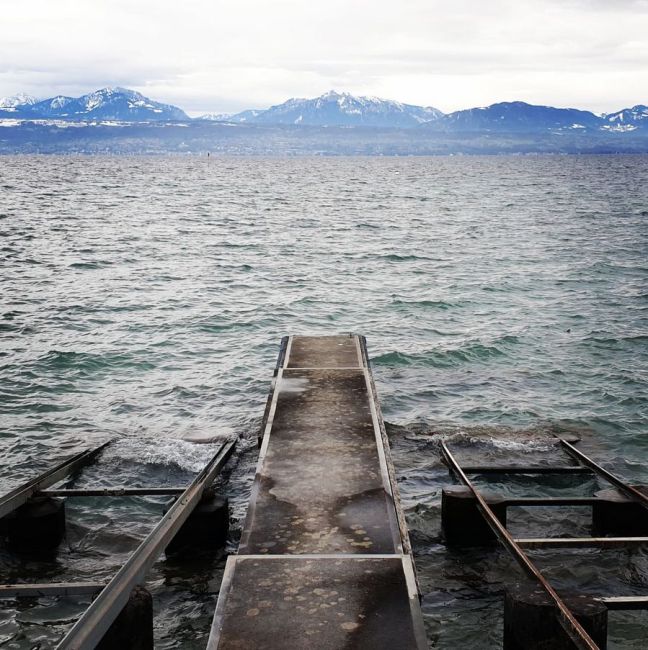
I spent my Christmas again this year in the Vaud region of Switzerland, running away from the noise of my work and the fears of my new reality after a life-changing medical experience. Returning to Saint Sulpice, I found that in addition to the care, love and attention of good friends, the nearby lake too has restorative properties. Lake Geneva, referred to locally as Lac Leman, is a vast expanse of water. It makes up part of the Rhône River, for which I’m particularly grateful, because those waters pass into France and quench the thirst of the thirsty hills in southern France (where some of my favorite wines are grown) before it (the Rhône) rolls into the Mediterranean.

But getting back to the Lake. It is a work of natural art, an expresser of moods and a giver of visual games depending on your vantage point. For me though, this year, it represented therapy; a respite from the worries of the (home) office and global concerns about whether 2022 would finally be the year the world moves past Covid life. I love the Lake especially because each morning the weather above it provides a different view: would we see France and its Alps, or would they be blanketed in lake-generated clouds and fog? Or would the sun dazzle us with how it reflected off the purple-gray mountains and their snow-crested peaks, offering incredible combinations of cerulean, azure, bronze or amethyst with its shadows and reflections. The morning view of the Lake tends to set your mood for the day.

And then there is Leman’s healing force. No wonder so many über fit Swiss folk choose the lakeside as the route for their daily runs or regular walks with their canine companions. Cozy footpaths intermingle with asphalt pavements to offer endless opportunities for the locals to see the Lake’s beauty from manifold angles. This of course gives my friends, once I’m armed with my smartphone camera and ambling along the Lake, cause for dread of my afternoon Instagram/FB posts, where I share for maybe the 9,000th time a slightly different shot of Leman: both its mood and robing for the day.

It was these daily photo sessions, my late morning promenades Ouchy-way or my walks with Jean, Izzi and Poppy that helped me feel a bit safer in my post-surgery world. And more confident in my ability to recuperate and to move forward with life. Each courteous bonjour and each playful chastising of Izzi when speaking to her in Czech made me slightly more certain that I was getting better and reminded me to be thankful for the health I had regained. It was all these faces and moods of Lac Leman that showed me each day would be different: some sunny, some overcast, some full of bluster, but all of them survivable. 

So I took to the Lake with gusto; usually a bit wobbly at first, wondering if my goals of 10K steps were perhaps a bit too ambitious. But as the waters set the tempo and empty benches along the shores invited me for a bit of rest, I learned to trust myself and work to the rhythm of Leman. The Lake is a constant. She is in no rush. She takes contentment in knowing she nourishes the lives of so many towns and villages on her shores and provides both travel routes and entertainment for the people who cross or play in her; from tourists and locals looking to make their way over to Évian-les-Bains (home of the well known spring water) or for the local ferry captains, fishermen, paddle boarders and/or windsurfers to whom the Lake offers both work and play.

From mid-December to mid-January, I had the good fortune to stay with great friends living near the Lake and take advantage of their overly-generous hospitality, and I downed all the medicine that Leman had to offer. I would soak in her sunshine, let her wind whip my hair and chill my face, listen to her stories told in the waves lapping on the shore, and watch her moods change as the clouds and light came and went. I am grateful for the Lake and knowing she is always there for me should I need to abuse her of the curative powers of her ample calm and spiritual nourishment.

Would this be my last trip?

I’ve been silent for a few months. But that’s because I had some travelling to do. Plans began in March when the bookings agent called me up in the form of weird pains in my arms and a tingling in the back of my head. I was pretty sure it wasn’t Mr. Infarct ringing, nor Ms. Stroke. But as I sat in my Prague 2 flat by myself wondering what to do, I wasn’t sure what to make of things. The Michelin Guide that is Google MD gave me some solace as I tested possible signs of what could be a heart attack or anything stroke-adjacent. Ultimately, the forecast just showed signs of high blood pressure and a call for a visit to my GP and many specialists. 

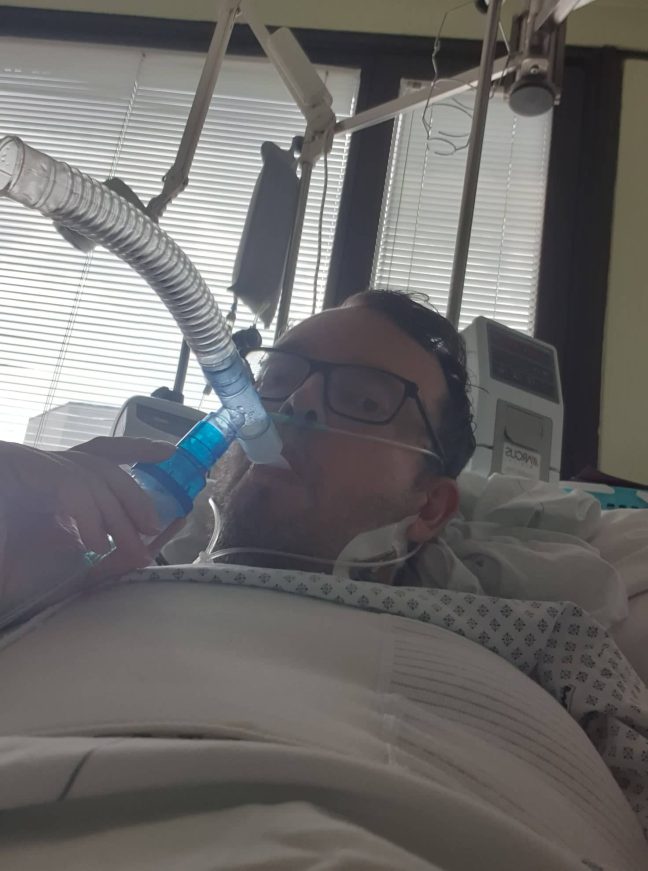
Flash-forward to mid-July and the trip that took months of planning had begun. I lay there in a skimpy grey gown, fearing my derriere (or lack thereof) was exposed to the world and I had no idea where my trip would end … would I get to my destination? All my “travel agents” were the epitome of professionalism and kindness, making me laugh as they helped plan my “flight” …

This trip has changed me more than any other. In planning the journey, I found out that I had a bicuspid valve or something similar thereto in my aorta. That’s why I had to make this trip and fly immediately. I was born with a congenital defect and my aortic valves (what my doctors referred to as the Mercedes symbol) had been deformed all my life. As you can imagine, for someone who’s been travelling in the same “aircraft” for nearly 50 years, this was a shock: how had I run track in middle school, how had I danced like an insane dervish for hours on end in multiple European clubs, how had I managed 150km-a-day bike rides or climbed so many mountains? How had I not known?

I didn’t see any signs along any of my earlier flightpaths. I had just felt I was tired or slightly more winded than usual when climbing new peaks during the most recent months of my travels. One thing was certain though, it was time to go on an adventure with the country’s, if not the region’s, best pilot. And that is what I did on that mild July morning. I don’t remember much about the flight. I just recall waking up in my destination; I even arrived speaking the local language in lieu of my native English. I was glad for that because I had been studying Czech (the language of the country I woke up in) for over two decades.

I am still processing my recent travels. Indeed, I am still on my journey. My life will never be the same and I will have to use special fuel since my plane had to have its “engine” partially replaced. Maintenance also looks to be a challenge: no more fueling up with cheap petrol products; no more low-quality motor oil or used parts. My newly refurbished aircraft will require a lot of care. That said, I have everything in the world to be grateful for and happy about. I had dozens of friends who came to visit me while I was away and so many more rallied to greet me at the airport upon my return. I am elated my plane’s engine is working at close to full speed once again. 

I’ve been blessed to have had so many opportunities to see the world in my previous aircraft. I’ve climbed the peaks of northern Armenia, I’ve watched the sun set from the coast of Portugal and even fell asleep to the lapping waves on the beaches of St. Croix in the US Virgin Islands. I tortured and tested myself on climbs in the Šumava mountains or on long bike treks over the Brdy highlands between Prague and Plzeň. And with my new plane, I have so much more I wish to do: from visits to Samarkand and Buchara, to walking the dunes of the Moroccan deserts to wading in the waters off the coast of Mauritius. I am eternally grateful to all the aerospace technicians and mechanics at Na Homolce who repaired me; to their support teams who assisted in the process; to all the fellow passengers (among them my closest friends) who cheered me on. I don’t know how many more miles I have on my current vessel, but you can be certain that I see each and every one of them as a blessing. To any and all readers: get your “planes” checked and serviced regularly and travel safely as you continue your journeys through life.

Floral Time Travel

Lockdown in Prague is slowly ending and we have been blessed with quite a few sunny, if not exceedingly warm, spring days. Since I have not been able to travel in recent months, I was having difficulty coming up with a topic for my blog. Yet, in recent days, my mind has kept wandering back to my hometown in northern Missouri and the first enchanted garden I came to know in the 800 block of Hansen Avenue.

I was an awkward kid who grew into an awkward adult. But one thing I always recall when spring arrives each year in the escape provide by gardening in my yard and improving my flower beds using skills learned from my neighbor Elsie. Spring was always a time of cleaning: raking leaves out of flower beds, weeding around bulbs that were sure to soon send up their first shoots and trimming the borders of various garden areas and shoring up the rocks and railroad ties that formed them.

As my mind walks through that garden of some 35 years ago, my first thought it of coreopsis and black-eyed susans. Those vibrant yellow flowers in a circular bed near the street curb  welcomed all those who walked up my neighbor’s driveway. From that small patch, interspersed with irises of different shades, we would walk along the row of bridal’s wreath spirea that provided a nice, natural foundation to the front of the house. The spirea was also a lovely, mid-spring bloom that cast long fountains of ivory flowers downward toward a lawn filled with sheep’s sorrel – which I quickly learned had a tangy, lemony taste. Then, moving the right of the house and walking toward the back lot, there was just a tiny strip of mums and succulents that did their best to thrive in the overly-shaded side yard more or less hidden by the house next door. Only when one arrived toward the back porch did more colorful shrubs (lilacs, quince and wild roses) and bunches of peonies begin to fill the landscape with lush green leaves. Peonies of every hue imaginable: deep purples or violets, crisp whites and soft, pastel pinks that announced to all visitors that spring was out in full force.

The path to the back of the yard was lined with an ample hedge of both white and purple lilacs, along with a deeper purple bloom that Elsie called French lilac. They had an equally lovely scent as that of traditional lilacs, albeit with smaller, more delicate and darker flowers. Those purple sprays then gave way to a number of quince bushes which sat, as did the lilacs, under an immense persimmon tree. It was toward the back of the garden that many of the spring flowers ceded place to plants that would bloom in early or late summer: asters, Jerusalem artichokes (what we also called Missouri sunflower) and various sets of roses (both wild and cultivated). As the garden soil progressed into a rockier, rougher terrain toward the back alley of the lot, more roses peaked out through spaces they carved out for themselves in a lush bed of vinca minor (which we usually called periwinkle).

It was the repetition of this garden tour that taught me all about the therapy offered by gardening. I learned when and how to plant specific varieties and to save transplanting peonies till late summer – right after the gladiola had bloomed. It was transplanting time that would become a favorite moment in my year, where I would proudly bring my neighbor a shade of iris I knew she did not have; or she would provide me roots for peonies in new colors that would add to the alleys of those flowers at the back of our family’s lot.

So many years ago, but I still travel (in my mind) back to Hansen Avenue every spring. I remind myself of the flower names and types that Elsie so carefully planted in my head: Hosta, sempervirens, Solomon’s seal and more. Although that garden no longer stands, it blooms in my heart each spring: as I see the first flowers on the lily of the valley, or notice the lush pink of the bleeding hearts and the faded yellow of the forsythia flowers that have run their course. With all those colors, scents and memories of floral names, my heart becomes full and I appreciate the repetition of these memory-travels. Although I will never likely return in person, my mind always has a ticket those gardens of my childhood and their announcement of spring.

Ապրե՛ս / Ապրե՛ք (Live!)

In a week or so, 60 years will have passed since US president John F. Kennedy signed the executive order 10924 creating the Peace Corps. The date was 1 March 1961. I’ve been thinking for a couple of weeks about how to recognize that very important anniversary while combining it with my personal blog here which focuses on travel.

After a lot of thought, I decided to share with you some comments about how the US Peace Corps has influenced my views on travel and how I perceive it a bit differently now. Although cut short, my experience serving in northern Armenia helped me “travel” in multiple senses of the word. It helped me explore and learn about a country I’ve come to love more than I ever could have imagined. And it helped me advance further down a road of personal maturity and understanding (and coming to accept) what I have to give to, and what I sometimes need from, the world.

All that said, I want to share with you one of the greatest gifts the Armenians gave a language nerd like me. And that would be the word in the title to this blog entry which transliterates as apres or apreq. It is the imperative of the verb “to live” and is used in Armenia as an expression of commendation or praise. When Armenians appreciate something you’ve done or approve of your actions, they literally tell you to “Live!”. Usage of this term is so common in Armenia that I never put much thought into its broader significance and the lessons or values it could teach people from other countries: that one of the greatest gifts we have in this world is life. If you think back on the 20th century history of Armenia – both at the time of the collapse of the Ottoman Empire and after the dissolution of the Soviet Union – you realize that the Armenian people were always endangered by the ambitions of their larger neighbors or the commercial interests of other global powers. For those Armenians who lost family in the genocide of 1915 or other mass killings of Armenian populations or for families who lost sons and fathers in the wars in Artsakh, one of the most precious gifts a person has is “life” or “living”. This is a reality that most of us in Europe or the USA don’t give much thought. One of the most daring, audacious things we can do in our time on this planet is to live. Not just exist, but LIVE!

This is a point that was not lost on me the longer I stayed in Armenia and got to know the people there. I went to the Peace Corps because I wanted to learn about another culture; I had hoped that some of the skills and experience I had acquired in my professional life over 20+ years would be of some use or worth to local communities. To my surprise though, my Armenian colleagues and families taught me a small lesson of enormous value: I needed to learn to live. This meant celebrating all that life offers us from dusk till dawn: from making tahini sandwiches with my host sister Yeva and having my morning tea with her mom Zara, on to having a late evening snack with my second host dad Artur and watching bits of the TV news with him. I learned that actually living meant I needed to slow down to truly see and appreciate life. I needed to listen. I had to find value in opening up to strangers and appreciating their natural curiosity about the super tall, dark-haired man who wasn’t one of them, who wasn’t a Russian speaker, but who had somehow made his home for awhile in their bustling town.

I like to think that over time, all the progress that I made in learning how to live (how to heal myself) came from the repetition of that tiny, yet powerful, Armenian entreaty: ապրե՛ս. My Armenian friends and family constantly invited me to enjoy life, to take time to talk and share myself with them and their families, and to notice the small blessings that show up around us day in, day out. So, Armenia, thank you for helping me truly live and enjoy life: ձեզ էլ ապրե՛ք։

Seeking Serenity in the Orbe Valley (Pt. 2)

In my last post, I spoke of my holiday hiking with friends met in Prague who now live in Lausanne. We decided that in today’s Covid-impacted world the best spiritual rejuvenation would come from getting out of the city and back to nature. Luckily, some of Switzerland’s most interesting and intriguing natural sites are to be found at the foot of the Jura mountains: not far from our home base in Lausanne. Our preferred destination is Les Clées (reached easily by car). Our first hike this season, a new one to me, was a footpath heading west of Les Clées village: in direction of the French border. 

I have to admit that his hike was not full-on serene for me. The nature was amazing and beautiful, but the precarious path and the threat of a possible fall off a steep incline down into the Orbe River had me a bit ill-at-ease at times. Initially, the route is wider and you focus more on questioning why you had such a big breakfast OR you wish you’d had more to eat. You need a good store of energy to push yourself up the constantly ascending path. However, quickly the route narrows and you look at the rushing Orbe below and wonder how rapidly you might plummet down to the water.

As with all things Swiss, this path is impeccably organized. Should you happen on an outshoot of rock: no worries. The locals long ago carved a tunnel into the grey-white rock so that hikers can easily navigate through the mountainside when need be. Likewise, this section of the Orbe River Path also has ample swells of fresh-water springs that trickle slowly to the rapids down below. In the winter season, these water flows offer an additional, amazing spectacle: icicle cascades. Passages through the rock tunnels along the route have an almost 2m tall person like myself dodging a number of frozen-water daggers: a) so as not to hit my head, b) in order to preserve the beauty the icicles contribute to this magical, wintertime, natural kingdom.

The hike provides ample amounts of calm and solace, with the only creatures interrupting our thoughts being Izzi our Vizsla canine companion (she’s afraid of the icy footbridges) and our Jack Russell named Poppy, who shoots up and down the path and sometimes along the icy cliffside without thought for potential consequences. Ultimately though, there is an incredible reward toward the end of the trail. These are the Le Day waterfalls (the Saut du Day) which tower over you as you reach a broadening of the Orbe River where it shallows out and serves up rocky sandbars that are perfect for a picnic. It was at the waterfalls that we went crazy with our cameras and took multiple pics of our beautiful surroundings. We let the dogs test the icy waters and run to their hearts’ content. Plus, it was there that we came across our first humans: other locals on holiday, who also apparently needed to escape their isolating in place for just an hour or two.

I am thankful to have spent a part of my holidays admiring the Orbe River and the gorge through which it passes. It is a calming, fascinating place where I never cease to be in awe of how the water swiftly flows, sharing its gurgles with the random hikers who pass alongside it. I give thanks to the Swiss people who look after the nearby paths and make such wonderful views of nature accessible to all who journey to the area for a walk. As I sit here in Day 4 of my post-holiday quarantine, I can still hear the river calling me. Come back one day. I’ll be waiting. And surely I will return: for a future dose of much needed and appreciated serenity.       

Seeking Serenity in the Orbe Valley (Pt. 1)

Thanks to a friend’s accidental click-and-point approach to trail searches on a map of Switzerland, I was fortunate enough to come to know the peaceful beauty of the Orbe River this past year. I first hiked the river trails in June 2020, during an escape to Switzerland once Europe’s borders opened up after Round 1 of the Covid pandemic.

The Orbe is a meandering, bubbly, mountain river-stream deep in the Vaud region of Switzerland. It touches upon the base of the Jura Mountains some 40 or so kilometers north of Lausanne. My entry point to the river hiking routes has always been the quaint, little village of Les Clées, with its picturesque tower, church and stone bridges. From Les Clées, one can follow hiking and cycling routes east down to the town of Orbe or take the narrow hill paths to the West over to the waterfalls hidden next to the village of Le Day.

The best qualities of both paths include the calmness, the embrace of forest silence, and the soothing whispers of the Orbe as it gurgles to you from the sometimes scary drop below. The walk toward the town of Orbe begins as most of us imagine a Swiss hike should. The hiker trapses through meadows that hug the village of Les Clées. Soon, you approach the forest line, after passing a cow or two, and you walk along a sandy-rock path high above the mountain stream. The path offers tiny bits of natural wonder as you gaze at the stunning emerald moss that covers many of the trees and listen to the trickles of water from springs flowing from the hillsides. At times, wooden bridges help you over sections of the path, where the abundant water sources make the route too muddy to pass. Then a fork in the trail gives you the option to descend down to the bubbling, gurgling Orbe.

The descent can be daunting when the path is snowy or muddy. But with patience and care, you can make it down to the water safely. Plus, a slow downward walk affords the opportunity to notice the handiwork that has gone into developing forest staircases and root-formed guard rails that keep hikers from sliding directly down to the stream. At the bottom, the blue metal bridge gives a moment of respite and as the water lulls walkers into reflection. The blue of the bridge, the deep greens of the fluffy moss, the brown-grey-green-blue hues of the water and rocks offer a color harmony that overwhelm even a colorblind hiker like myself. My judgment of the various tones and hues is not that of the majority, yet still the natural color symphony takes my breath away. 

After several minutes of absorbing the sounds of the Orbe and its calming rush through the mountain rocks, I head upward along the what I call the southern bank, making my way back to Les Clées. That side of the stream offers vistas of the springs and waterfalls on the northern side; particularly, when hiking in late fall or winter after the leaves have fallen from the trees. Walkers have better views of the water as the hiking path rises above it and the mind quickly becomes overwhelmed by still more natural beauty. Part of you wants to sit and take in the river or, on a hot day, jump into the cool, soothing waters. Another part of you wants to indulge in the escape offered by these seemingly ancient forests in which you imagine Roman soldiers must have marched or where you feel like you may have been transported to the green moon of Endor as described in George Lucas’ Star Wars movies.

As you near the end of what I call the “East to Orbe” circuit (by returning to Les Clées), you catch glimpses cross-river of the green fields where the cows you saw earlier continue to graze or you notice from afar the village’s unmistakable tower. It lets you know that your car, and some well-earned rest, is not far away. This path has become a staple activity during my visits to friends in Lausanne. It puts my spirit at peace and makes me grateful for the simplicity of nature. The opportunities the Orbe offers for quiet hiking, smiles of non-speak with friends, and the curious meandering of our canine companions (specifically memories of my dear Mica) are priceless. In a restless world of Covid angst, the Orbe River surges with serenity.