Returning to my other HOME

Three years after Covid forced me out and a major heart surgery threw a wrench in my travel plans, I finally made it back to Armenia last weekend. It was amazing how quickly the warmth of Armenians and reconnecting with old friends melted away the anxiousness I had about travelling to the southern Caucasus region. My worries were never of the normal kind, i.e., would people and places still be as I remembered? Would there still be a connection to, and love for, the communities where I trained and worked. I was more concerned about being fit enough for the journey.  

My current adventure began with new target destinations: to see parts of the country I had not yet visited; and this thanks to having a good rental car at my disposal.  Of course, driving also made me a little anxious but having a great, funny, supportive team of fellow travellers (Jesus and Ani from Peace Corps’ A27 cohort and our new friend Marietta) made my first trip to the Vayots Dzor region perfectly enjoyable. Our journey took us to the spa town of Jermuk, or what I call Armenian Karlovy Vary (Carlsbad for German or English speakers). This small, unassuming town nestled in between cliffs and canyon made for a nice respite from the stress of air travel. It also filled me with hope for all that tourism can, and hopefully will one day, offer local and regional businesses in Armenia. Although the dominant buildings in Jermuk are large therapy and rehabilitation facilities as well as a couple of resort hotels, the town’s charm, at least for me, derives from the nature that envelops it. There are the cliffs west of the town centre formed from volcanic activity and “tubes” of basalt. These geographic features always make me think of Superman’s Fortress of Solitude. Then, as you meander to the north end of Jermuk’s “Main Street”, you will find a sign pointing you to stairs that take you down to a beautiful, breath-taking gorge or canyon and the gurgling river that soothes even the most exhausted traveller’s nerves. 

As you walk along the canyon path, you are surrounded by beautiful flora – wild roses greet you at every turn along with other colourful flowering plants (I couldn’t tell you their names for the life of me) that jump out in shades of pink, blue, yellow and purple. The trail also offers a break from the intense summer sun that warms all of southern Armenia. Cliff overhangs and large boulders (even a rock arch) cool the canyon and make the hike all the more pleasant. Finally, when you reach the river’s edge, it only takes a few more steps before you hear that a wonderful surprise awaits. The sound of rushing water shushing eager hikers soon reveals itself to be an amazing waterfall towering from the hilltop above. It carries the cool, refreshing Jermuk waters down to the river so they can travel further south to Armenia’s Syunik region.

Many travellers will journey to Jermuk to enjoy the curative spring waters, to relax or to seek rehabilitation. Odd traveller that I am, I went there to be hugged by the hillsides, calmed by the canyon river and streams and to listen to nature telling me to slow down. There is so much energy bursting in this beautiful landscape that I can’t wait to return one day: to hike more in the sun-drenched golden mountains; to watch local beekeepers as they gather their honey; to observe the farmers as they cut, mow and rake their hay into small bales; and mainly to enjoy the serenity that is, and always has been, the mountains, gorges and canyons of Armenia.

It felt good to be back in those Armenian mountains; it felt good to be back in, and embraced by, one of the lands I now call home.  

Ապրե՛ս / Ապրե՛ք (Live!)

In a week or so, 60 years will have passed since US president John F. Kennedy signed the executive order 10924 creating the Peace Corps. The date was 1 March 1961. I’ve been thinking for a couple of weeks about how to recognize that very important anniversary while combining it with my personal blog here which focuses on travel.

After a lot of thought, I decided to share with you some comments about how the US Peace Corps has influenced my views on travel and how I perceive it a bit differently now. Although cut short, my experience serving in northern Armenia helped me “travel” in multiple senses of the word. It helped me explore and learn about a country I’ve come to love more than I ever could have imagined. And it helped me advance further down a road of personal maturity and understanding (and coming to accept) what I have to give to, and what I sometimes need from, the world.

All that said, I want to share with you one of the greatest gifts the Armenians gave a language nerd like me. And that would be the word in the title to this blog entry which transliterates as apres or apreq. It is the imperative of the verb “to live” and is used in Armenia as an expression of commendation or praise. When Armenians appreciate something you’ve done or approve of your actions, they literally tell you to “Live!”. Usage of this term is so common in Armenia that I never put much thought into its broader significance and the lessons or values it could teach people from other countries: that one of the greatest gifts we have in this world is life. If you think back on the 20th century history of Armenia – both at the time of the collapse of the Ottoman Empire and after the dissolution of the Soviet Union – you realize that the Armenian people were always endangered by the ambitions of their larger neighbors or the commercial interests of other global powers. For those Armenians who lost family in the genocide of 1915 or other mass killings of Armenian populations or for families who lost sons and fathers in the wars in Artsakh, one of the most precious gifts a person has is “life” or “living”. This is a reality that most of us in Europe or the USA don’t give much thought. One of the most daring, audacious things we can do in our time on this planet is to live. Not just exist, but LIVE!

This is a point that was not lost on me the longer I stayed in Armenia and got to know the people there. I went to the Peace Corps because I wanted to learn about another culture; I had hoped that some of the skills and experience I had acquired in my professional life over 20+ years would be of some use or worth to local communities. To my surprise though, my Armenian colleagues and families taught me a small lesson of enormous value: I needed to learn to live. This meant celebrating all that life offers us from dusk till dawn: from making tahini sandwiches with my host sister Yeva and having my morning tea with her mom Zara, on to having a late evening snack with my second host dad Artur and watching bits of the TV news with him. I learned that actually living meant I needed to slow down to truly see and appreciate life. I needed to listen. I had to find value in opening up to strangers and appreciating their natural curiosity about the super tall, dark-haired man who wasn’t one of them, who wasn’t a Russian speaker, but who had somehow made his home for awhile in their bustling town.

I like to think that over time, all the progress that I made in learning how to live (how to heal myself) came from the repetition of that tiny, yet powerful, Armenian entreaty: ապրե՛ս. My Armenian friends and family constantly invited me to enjoy life, to take time to talk and share myself with them and their families, and to notice the small blessings that show up around us day in, day out. So, Armenia, thank you for helping me truly live and enjoy life: ձեզ էլ ապրե՛ք։

Armenia: I (wish I could) take away your pain

Հայաստան։ ցավդ տանեմ

One of the phrases you hear quite often when you live in Armenia, or a phrase you notice quickly as a foreigner living there, is ցավդ տանեմ. It literally means “I take your pain.”  It is a special phrase that I initially thought to be rather trite or overused because you constantly hear it said in daily conversations.

However, it took me a year of living in Armenia and about a half-year (post-Armenia) of reflecting on those words to really understand them. To actually “get them” as we say in English. Learning about Armenian culture and the aftermath of the genocide at the start of the 20th century, you begin to understand that Armenians know something about pain. They’ve had their fair share of suffering. But the special part of the unique Armenian experience, at least for me while living there, is how much of the pain of family, colleagues and even strangers they are willing to take on as their own burden. If they say ցավդ տաեեմ։  to you, they honestly mean that through some act, big or small, they would like to make your situation better.

As I watch the events unfold in Artsakh (commonly called Nagorno-Karabakh, but I use the Armenian term because of the bonds I formed with Armenians and my ties to families whose sons have been drafted), I think yet again about the selflessness of the Armenian people. They are so hospitable and welcoming, and the struggle of Armenian populations in Artsakh really is their struggle. It is also a painful situation that reminds them of the events of 1914-1923 that saw Armenians lose access to over half their native lands and be forced into a world that was sometimes welcoming, sometimes not. Of course, in many cases they had to survive the forced marches across the Syrian desert to even gain access to new lives and new opportunities.

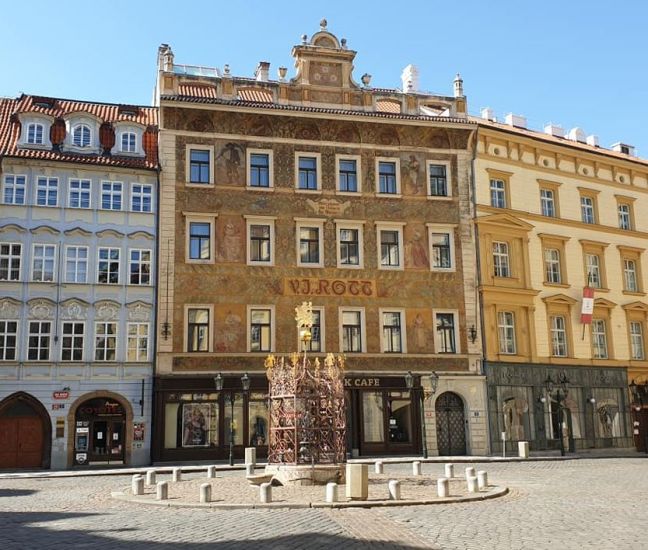
Yet, if you look now, as their diaspora rises up to speak about the unnecessary and destabilizing conflict and aggression (fomented by present-day Armenia’s Western neighbor and easily seized upon by their Eastern one), you see the greater Armenian global family come to life. You hear the slowly growing cry of ցավդ տանեմ as Armenians from all around the world work to raise awareness of the larger problems of the Azeri-Armenian conflict and to support their kinfolk. Armenians in the diaspora from California in the USA to the shores of Lebanon, from the streets of Paris or even Prague’s Old Town Square are calling for the world to act: to see the pain and suffering caused, not so much by Azeri-Armenian-instigated fighting, i.e. that of two peoples, but rather by the work of two despots Erdogan and Aliyev, who have exacerbated conflict for political gain. These two men have taken advantage of the instability, suffering and chaos of a Covid-stricken world and are using aggression to distract domestic populations from their own shortcomings as leaders.

In 2018, the people of Armenia went to the streets, they elected a reform-minded government. They had what they called their Velvet Revolution: in fact, that makes Armenia the second country I’ve called home for a time that has had such a calm, people-driven call for change and reforms that led down the path to a peaceful, democratic existence.  I want the Armenians to be able to continue down that path.  I want to scream from the top of my lungs to all my Armenian friends, to the youth of that country, to the peoples of Artsakh seeking self-determination: ցավդ տաեեմ։  I want you all to have the peace and prosperity you so deserve, and I wish I could take away your pain.


Living in three spaces

I haven’t felt like blogging for a while. Or perhaps it’s more that I didn’t know where to go with my writing. It’s been half a year now since I returned (unexpectedly) from northern Armenia.  Now is the moment where the change starts to gel or solidify. I realize that, while I can still hold a conversation in հայերեն, it’s more difficult to recall words that used to be commonplace.  Memories are beginning to fade, and moments of daily life are more distant … saying hello to Manvel who lived in the first floor of my building. He knew three sentences in English, but he greeted me religiously every time I walked by. Always reminding me that I was welcome in Vanadzor and in Armenia in general.  I miss the moments spent persuading fruit and veg vendors that Russian wasn’t my native tongue, and that I could get through a conversation in my pigeon Armenian. I miss the lady from my “beer garden” in Tigran Mets Avenue, who gradually got used to my arriving mid-afternoon on Saturdays after a hike: book in hand, just me, myself and I … ready for a cold draught beer. 

Now as the Czech summer ends and I watch videos, listen to songs, or browse through photos so I can cling to the recollections of my Armenian adventure, I gradually merge the similarities of three specific places I once called home. 

I’m a rural person at heart. I spent my childhood wanting to escape small town life. My dad had aspirations that I would become a farmer and work with animals: as had been his dream. But my hopes went farther. I’m not sure if it was the genetics of my ever-moving paternal grandmother or the travel tales recounted by my very wise neighbor. But I knew I wanted life beyond any local farm. Funny thing is though: despite becoming a city-slicker, I never forsook my rural upbringing or time spent working with my dad, uncles and grandmother. It is the long thread of rural life that, for me, binds Missouri with rural Bohemia and the pastures of Armenia’s Lorri region. In the fields of all those lands, I see and feel the memory of my dad and his dreams; secretly hoping that some of my life’s adventures have made him proud.

Good people are worth listening to. Something inside me tends to be averse to seeking out conversation. However, many places I have lived so easily lent themselves to impromptu chats and discussion. Whether it be the doorways of stores on Brookfield’s Main Street, the garden pub of a Czech village along a random bike route, or the encounters with shepherds as they moved their herds between northern Armenia’s lush, green hills. They all began as strangers to me, yet we ended with many bonds: some had family that had emigrated, others had seen American TV shows or had travelled to Prague on a family holiday. It was my wary, skeptical entries into these numerous, ad hoc chats that confirmed to me that as citizens of the world we are all ostensibly different but very much still the same in our curiosity and desire to learn about and connect with others.

The women of my past prepared me for my future.  Then there’s the W factor. As mentioned above, it was the women of my childhood who told me of the world outside my hometown. They assured me that studying and hard work would give me access to that world. And as the years prove them right, I remember and channel their spirits as I mull new adventures and live new experiences. In my mind, I talked to Elsie as I admired the gardens of many an Armenian grandmother. I give thanks to Louise and Mildred for their nurturing my interest in languages and travel and for helping make possible my first TWA flight to Paris. I summon the courage of Jacqueline anytime I’m not sure I have what it takes to defend myself and fight for what is just in the world. How she so nonchalantly stated in that Parisian tailor’s shop: I survived the Nazis; I’m hardly going to cower to a greedy, deceitful clothing store owner.

It’s been a difficult summer reminiscing about my homes old and new. But I am forever grateful for the lessons they taught me and the people from those places who enriched my spirit more than I ever could have imagined.   

I own nothing but I have everything

When I think back on my time in the East
And entering a land about which I knew little
With no idea what to expect
Of the people that await

And as we greeted each other with apprehension
Reservations about who I was
And what they expected of me
Twice the age of the other “invaders”

Superficial worldviews would say
Comparatively, they had little
Yet never did we/they want
For all life’s essentials

Smiles were abundant
Coffee was plenty
A step over any threshold
Was a call for plates of sweets
And the best any household had to offer

As I approach the year fifty
And berate myself
For not owning a house, not owning a car
While still asking almost daily
What ownership means

I have so many possessions
That I keep inside me
Stores of memories, laughter, tears and embraces
And stories or legends shared
Of lessons my life road has taught me

I no longer worry
About the property I have not yet collected
For my most valuable possession
Is the real estate of my heart

I own nothing, but I have everything

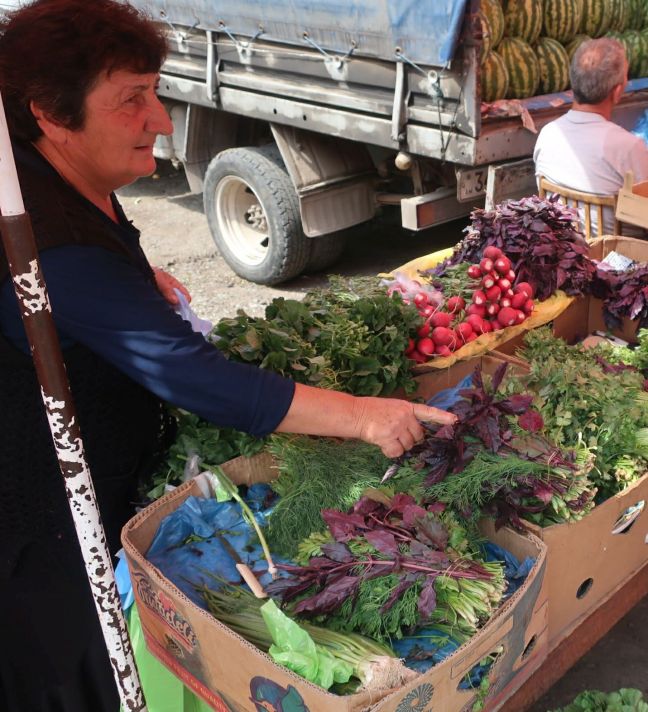
The sweetest part of Armenia is its fruit

I was looking at some pictures today and noticed that a year ago this time, I was a week away from getting sworn in as a Peace Corps volunteer in Armenia. In my village of Hovtashen in the Ararat region south of Yerevan mulberries (թտւթ) were everywhere. It was a strange, amusing experience. I knew mulberries from my childhood in Missouri. Taste-wise, they were tolerable, but I had never been particularly fond of them. Yet somehow, as with many of life’s simpler experiences in Armenia, the local mulberries were different. They seemed sweeter and there were two kinds: dark and white ones. I had never seen white ones elsewhere. On top of that I learned that Armenians also distill their mulberries and make a very potent alcoholic drink from them. Some might call it brandy in the way people tend to call the distillate from plums in central and eastern Europe plum brandy (locally referred to there using a variation of the word slivovice deriving from the word slivka for plum). Otherwise, in the color sense, it looks what a Missouri kid like me would have called plum moonshine, i.e. it has a color more akin to vodka. All the same, the stuff is strong. And, as I tend to do with the plum brandy from Moravia, I drank a shot first thing in the morning when I felt a cold or sore throat coming on. Just one shot, mind you.

With that intro, I wanted to highlight some of the fruit experiences I enjoyed when I was living in Armenia. So let’s begin.

Apricots / ծիրան

Apricots are synonymous with Armenia: even the orange hue in the country’s flag is referred to as apricot orange. And then there’s the taste: one that can’t be described. They are so rich, sweet and juicy and can be put to many uses. Of course, they can be eaten fresh from the tree or from the markets (if you’re a city dweller). I would always eat them with my host dad Artur when we had evening coffee. Apricots are also used to make a drink/juice referred to as կոմպոտ (compote), which is truly a thick fruit juice and not the jam-like fruit dish we know in English-speaking countries. In addition to that, apricots are dried and stored for the winter: still, the dried fruit has a flavor and juiciness that makes you think it was harvested not more than a week ago. Finally, there is the prized apricot jam that Armenian women all over the country make during late spring. I smuggled two jars of that home to give to friends.

Figs / Թուզ

These are one of my favorite fruits anytime I can get them: fresh from the market or picked from a bush in the wild. Like the mulberries mentioned above, there are two versions: the green ones and the purple/dark ones. I’m generally partial to the purple ones, as they are the variety I know from visits to the beaches of the Mediterranean. On various islands, it was common to pick a handful of figs during pitstops when returning after a day of swimming and sun. There is something about fresh figs that makes them feel like a guilty pleasure; the fact that the vendors at the outdoor markets in Vanadzor would slip me a couple extra when I was shopping always made my day.

Melons / ձմերտւկ (watermelon) and յեմիշ (cantaloupe)

By late June, melon season had arrived in Armenia and sidewalks everywhere were stocked with them. Of course, they were sold by local fruit-vegetable merchants, but it appeared that seasonal melon-vending was a way to generate cash for a number of other entrepreneurial locals as well. And thank goodness for that. Melon was another summertime staple for my coffees with Artur. Depending on what was available, we would chomp on cold watermelon with our rich, dark Armenian coffee, or we would enjoy the spicy flavor and scent of cantaloupe: both added to the spoils we collected from the family garden; specifically, the cherries.

Cherries / Բալ

As with most countries I’ve lived in, both sweet and sour versions of cherries can be found in Armenia. They are also eaten fresh or cooked for jams. And in some cases, the locals make them into the juice (compote). I actually grew quite fond of them as a nice way to round off my evening meal; a slightly healthier version of dessert. It was a joy to partake of cherries so as not to stuff myself with too much of the delicious Armenian գաթա (gata cakes) or with Armine’s delicious pastries and éclairs.

I’ve rambled on too long. But if you make it to Armenia, treat yourself to the wide variety of fruits in the outdoor markets. You won’t regret it.

Lorri marz (Լոռի մարզ) – where the animals run the show

I was trying to get into the mood to write and share something with my readers that would have an interesting, cohesive element. I have lived in the Czech Republic for almost 26 years now and just got back from a sabbatical in Armenia. When I write I like to think of things about both countries that are similar to, and which in some ways remind me of, my childhood in Missouri. The answer was animals.

I grew up in a rural community in northern Missouri. Although I didn’t live on a farm, most of my younger life was farm-adjacent. My maternal grandfather and his brothers grew angus cattle; my paternal grandmother kept a small number of animals in her backyard farm; and my dad raised cattle, sheep, or what have you on land he rented. It always surprises my friends from the city, when I tell them stories of how I spent the late springtime of my pre-teen years plucking chickens or how, as an even younger child, I helped my dad and his friends butcher cattle or pigs. I never had big jobs, mind you; I usually just stirred the pork fat so that it didn’t scald or burn OR I helped feed chunks of beef into the meat-grinder.

That said, my stay in Armenia often brought back memories of my rural childhood and farm-adjacent life. One occurrence that always made me smile was the work of local shepherds. On occasion I would run into them on hikes. But even more amusing was when they were moving animals to new pastures or mountain fields and the cattle “would come to town.” It didn’t happen that often, but it was always entertaining to watch the disinterested bovines wander through the streets of Vanadzor: rarely in a hurry to get anywhere and giving curious looks when drivers would become irate at the animals’ lack of urgency.

Other times, I would meet some smaller animals in the park. Usually, the sheep or goats showed up during a sunny afternoon when I went to the Sayat Nova այգի to read. As the bushes swished behind my bench, I assumed that either squirrels or birds were foraging. But no, it was the “children“ of a local shepherd who had come to dine on overgrown grass or on the tasty leaves of the abundant shrubbery.

As I watched them, it came to mind that domesticated animals are a unifying force across the world. In almost any country, you can wake up to the crows of an early-rising rooster. Or you can slalom on your bike as curious hens scurry across roads or field paths in search of bugs for their lunch. In Armenia, I most loved the proximity of the animals; for it took me back to my childhood. A time when I knew the provenance of the meat and dairy products we put on our table; also an age when I had a love-hate relationship with chores related to caring for livestock. These days though, the animals of the Czech countryside and Armenia’s Lorri region bring back fond memories: of driving with my late dad to check his cattle, of working with my grandma to gather eggs or feed her hens. So many nights my parents spent worrying about whether the “cattle were out.” My dad would surely chuckle if he saw that the cows of Armenia certainly are out: AND they rule the roads.

Tasting Armenia

Since I was a child, I’ve loved gardening. At times it was a chore, when I had to go pick green beans in 30°+ C heat or if I had to weed through rows of carrots. But most of the time it was a way to escape: school life, family disputes or just the general noise of the world. Spending time with families in south central Armenia’s Ararat region, and in the northern Lori region, took me back to those childhood memories; specifically, I had the chance to help harvest an abundance of herbs that I would learn were essential staples in Armenia’s cooking vocabulary.

Dill / Սամիթ

This is one of my favorite herbs. Although, I find it to be quite divisive when it comes to people’s culinary tastes. Most of my friends either LOVE it, or they HATE it. I belong to the former group and was always delighted when my host family would send me back to my home in the north with a sack full of dill. It’s great for salads and soups. Or it’s nice for flavoring dishes like boiled potatoes (which I saw and tasted a lot when visiting southern Poland during the time I lived in the neighboring Czech Republic). I love that many countries seem to have their different takes on how to use dill. Whereas the Armenians would often use it to flavor carrot, cucumber or lentil salads, the Czechs use it as the base for a wonderful white sauce served with braised beef koprovka or as the main herb in a potato-mushroom soup called kulajda.

Coriander / Համեմ ու Գինձ

This is another herb that tends to polarize. I usually can’t get enough of it and I was delighted to find it in abundance in the gardens and markets of Armenia. It is interesting that the locals tend to use herbs in two specific ways when cooking, and you would often see them eat coriander in such fashion. There is the traditional method of chopping the herb and integrating it into salads, sauces or soups. However, Armenians also tend to serve a plate of kanachi (կանաչի), the general term for greens, with most of their meals. It is common to take fresh herbs from this plate: coriander, dill, tarragon, green onion or purple basil and work that into rolled up “sandwich” of sorts made with their traditional bread lavash (լավաշ).

Tarragon / Թարխուն

I never really saw tarragon used other than it being chomped on while raw, e.g. taken from the kanachi plate. I found it enjoyable in small doses; specifically, for its peppery-, anise- or licorice-like flavor. It was a nice addition to a sandwich made during khorovats (խորոված), the Armenian version of barbeque. Plus, it was interesting to see that someone somewhere had come up with the idea to make tarragon soda pop. The bright green color was equal parts intriguing and scary, while the soda was refreshing: again in small doses.

Purple Basil / Ռեհան

I never quite found a suitable use for this herb. We had it in heaps in my childhood gardens and flower beds in northern Missouri. However, I find it to be more assertive than sweet green basil, and thus more difficult to cook with. Most of the time, I took this colorful herb and chopped it up for use fresh garden salads I would make; also using it in sparing quantities.

Mountain Thyme / Լեռնային ուրց

This is one of the sweetest surprises to be found during hikes along the mountain ridges in the Lori region where I lived. It’s a cute, unassuming plant and, when the wind is right, it sweetens the air of the peaks and valleys as you meander through the passes along Armenia’s northern mountains. There, mountain thyme is abundant and it’s always tempting to grab a couple of handfuls to take home to dry: for later use in flavoring meats and various baked vegetable dishes.

Back to what?

It’s now been a month since I returned from Armenia.  During that time, I’ve tried to keep busy. Mostly though, it seems like I’ve done (or been doing) so with a laundry list of absurd tasks. Perhaps the strangest of these is trying to find a job in an economy that’s put out a “no vacancies” sign. Otherwise, I’ve filled my days with the administrative work related to wrapping up my Peace Corps service and fulfilling all my reporting duties.

However, life here in Prague one month in is just plain odd. Multiple times I’ve heard the question: “How does it feel to be back?” And the simple answers are either It doesn’t. or Weird. Perhaps it’s odd to say that I don’t feel, but honestly it seems that way. The return to a past life in the new corona world is complicated. For two weeks after getting back, all past tangible, physical relationships became virtual. Luckily, I knew and could see all my closest friends were safe and healthy, but they were just images in devices. That then brings us to the weirdness of a few encounters with friends (limited ones) that I’ve been fortunate to have had post-quarantine: ones where elbow bumps replace hugging. I think that practice for me is the oddest of all. For someone who has lived a world away from his family for most of his adult life AND who is not tactile at all, I really did miss hugging my friends back into my world. There’s just the surrealness of those looks upon meeting: both of us thinking – how do we do this? Is the elbow touch OK? Embraces are off limits, right?  But we do have our masks on, so would a quick hug be safe?

After the initial awkwardness of our new corona greetings, conversation does begin to flow and with the few friends I’ve met we do catch up and I get to share (as much as my feelings let me) what my life has been like over the past whirlwind of a year.  Generally, it’s a combination of wistfulness and gratitude. But mainly gratitude … with statements or thoughts similar to those below:

  1. I’m not done. I know that somehow I will find my way back to Armenia one day. I’m not sure in what capacity, but I want to spend more time in the country. And next time I hope to be able to say good-bye on my own terms.
  2. I miss Armenian hospitality and thankfulness. I am, and was, always touched by how communities that might not have a lot, compared to what we call the West, in material terms are so consistently gracious in sharing what they do have. You will never leave an Armenian home hungry or thirsty.
  3. It’s weird not to have that daily embrace of the mountains in the Lori region. I became so spoiled by the vistas of the snow-capped peaks to which I woke every morning. The ridges that encircled and protected Spitak and Lernapat to the west; and which walled us off from Georgia to the north.
  4. Life is strange without the celebrity of being “the volunteer.” Walks around my city Vanadzor were always amusing in that most of the time people knew of you before you knew them. “Oh, you’re the volunteer. Aren’t you?” was a common phrase and it always made me feel special.
  5. My colleagues’ warnings were true. Returning from volunteer service is a weird process because of the singular experience that Peace Corps offers and creates. It’s difficult to tell people who haven’t lived the process just what service meant to me and why it was so touching and profound. Still, I’m working on doing so and, hopefully, one day I will get better at it.

All those unfinished plans …

It feels like last week was the moment reality set in. After having had to leave northern Armenia suddenly because of the situation with COVID-19 and the realities of the new corona world, just 5 days ago I realized I had so much unfinished business in and around my adopted city of Vanadzor.

Of late, I like to blame Facebook for my melancholy. Well, not Facebook as such; instead that gosh darn “memories” function. That little tool contains a whole lot of bittersweet. Mind you, I don’t want to use my blogging to whine. My colleagues and I who left Armenia are well aware that there are persons in the world with bigger concerns and who are living in much more dire situations.

At the moment, my funk stems from having missed out on my/our (I usually speak of my time in Armenia as a joint adventure embarked upon by myself and 34 other American volunteers) first independent spring. By “independent” I mean that most of us had become adjusted to the towns and villages where we served, and we had plans for big adventures that warmer weather would allow. Mine included getting to the top of Maymekh mountain, finding that spot somewhere near Aragats where the water “flows upside down” and planning a long-anticipated visited to the “stans” with Ree jan and Natalie.

Now, it’s clear that those plans won’t soon happen, and I’ll need to make new ones. So I’ve thrown myself into a job search and doing some career analysis to see what the next chapter of my career involves. I’m not 100% sure of the answer yet, but I do know it will likely involve more adventure. My decision to travel to Armenia was one based on a need for change, a need to get away from the virtual world of marketing and communications for awhile, and a thirst for finding an experience that was genuine.

When the world re-opens and travel resumes, I encourage my readers to go enjoy, if they have the chance, a few sites I missed in Armenia and which I hope to one day see …

  • Surb Sargis mountain and its odd boat (between Vardablur and Kurtan in northern Armenia’s Lorri region)
  • Mount Aragats – the tallest mountain in today’s Armenia
  • Parz Lake and the nearby monastery in Gosh
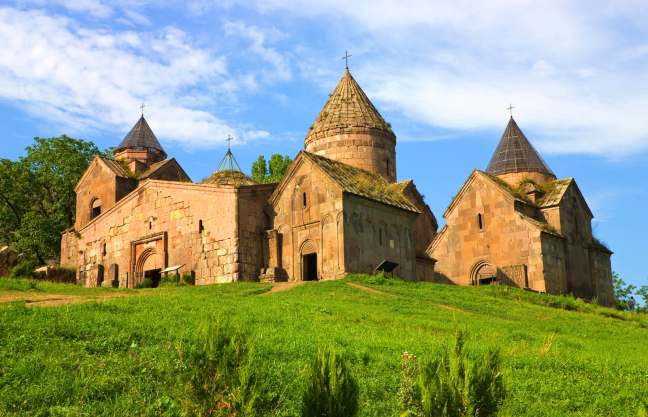
  • Sanahin and Haghpat monasteries (UNESCO heritage sites) near Alaverdi

I realize my words today aren’t particularly inspiring or fascinating. But this is the spot in which I find myself at the moment. I’m a little bit nostalgic, a tad bitter, but a whole lot of hopeful. For as the Armenians of the diaspora know all too well, I will one day find my way back home.

Main image courtesy of http://www.itinari.com blog.