Tasting Armenia

Since I was a child, I’ve loved gardening. At times it was a chore, when I had to go pick green beans in 30°+ C heat or if I had to weed through rows of carrots. But most of the time it was a way to escape: school life, family disputes or just the general noise of the world. Spending time with families in south central Armenia’s Ararat region, and in the northern Lori region, took me back to those childhood memories; specifically, I had the chance to help harvest an abundance of herbs that I would learn were essential staples in Armenia’s cooking vocabulary.

Dill / Սամիթ

This is one of my favorite herbs. Although, I find it to be quite divisive when it comes to people’s culinary tastes. Most of my friends either LOVE it, or they HATE it. I belong to the former group and was always delighted when my host family would send me back to my home in the north with a sack full of dill. It’s great for salads and soups. Or it’s nice for flavoring dishes like boiled potatoes (which I saw and tasted a lot when visiting southern Poland during the time I lived in the neighboring Czech Republic). I love that many countries seem to have their different takes on how to use dill. Whereas the Armenians would often use it to flavor carrot, cucumber or lentil salads, the Czechs use it as the base for a wonderful white sauce served with braised beef koprovka or as the main herb in a potato-mushroom soup called kulajda.

Coriander / Համեմ ու Գինձ

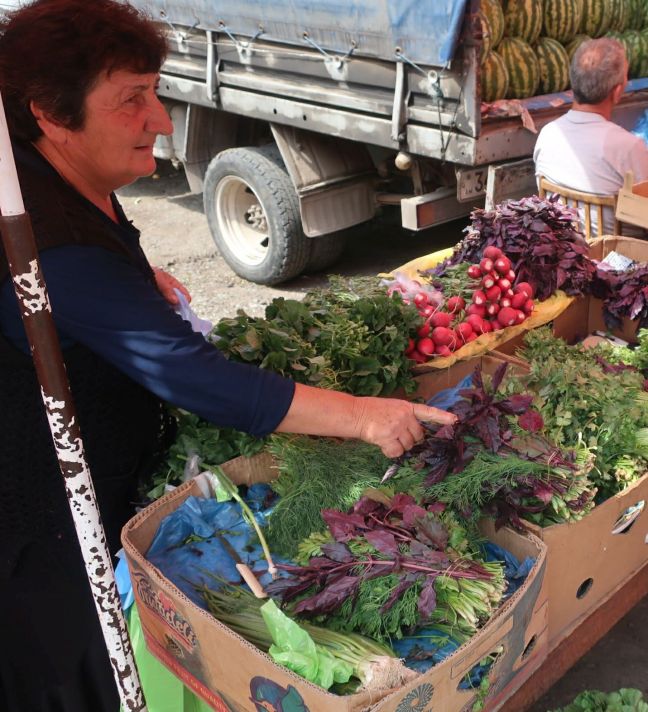
This is another herb that tends to polarize. I usually can’t get enough of it and I was delighted to find it in abundance in the gardens and markets of Armenia. It is interesting that the locals tend to use herbs in two specific ways when cooking, and you would often see them eat coriander in such fashion. There is the traditional method of chopping the herb and integrating it into salads, sauces or soups. However, Armenians also tend to serve a plate of kanachi (կանաչի), the general term for greens, with most of their meals. It is common to take fresh herbs from this plate: coriander, dill, tarragon, green onion or purple basil and work that into rolled up “sandwich” of sorts made with their traditional bread lavash (լավաշ).

Tarragon / Թարխուն

I never really saw tarragon used other than it being chomped on while raw, e.g. taken from the kanachi plate. I found it enjoyable in small doses; specifically, for its peppery-, anise- or licorice-like flavor. It was a nice addition to a sandwich made during khorovats (խորոված), the Armenian version of barbeque. Plus, it was interesting to see that someone somewhere had come up with the idea to make tarragon soda pop. The bright green color was equal parts intriguing and scary, while the soda was refreshing: again in small doses.

Purple Basil / Ռեհան

I never quite found a suitable use for this herb. We had it in heaps in my childhood gardens and flower beds in northern Missouri. However, I find it to be more assertive than sweet green basil, and thus more difficult to cook with. Most of the time, I took this colorful herb and chopped it up for use fresh garden salads I would make; also using it in sparing quantities.

Mountain Thyme / Լեռնային ուրց

This is one of the sweetest surprises to be found during hikes along the mountain ridges in the Lori region where I lived. It’s a cute, unassuming plant and, when the wind is right, it sweetens the air of the peaks and valleys as you meander through the passes along Armenia’s northern mountains. There, mountain thyme is abundant and it’s always tempting to grab a couple of handfuls to take home to dry: for later use in flavoring meats and various baked vegetable dishes.
Making my way through the market (memories from life in Vanadzor)

Some of my favorite memories of life in Armenia relate to food.  Armenians are a wonderfully hospitable people and anywhere you go, you will be offered something to eat and drink.  For me, personally, my best memories relate to trying to wind my way through the long market streets to pick up supplies for my weekend cooking.

Armenian outdoor markets come to life especially on weekends, but they are equally busy during weekdays.  In my city, Vanadzor, the market often seemed to spill out on to the main street and fruit and vegetable vendors popped up wherever the sidewalks offered space. I tended to be a big fan of the local greens. Never in my life had I seen such variety and freshness. My typical shopping basket included fresh spinach, cilantro, dill, basil (usually the purple variety, as sweet basil was not as common), romaine lettuce, bib lettuce, tarragon and green onions. I generally tried to spread my shopping across multiple vendors: this allowed me to get to know different people working in the markets and also to test the quality of different goods.

One of my guilty pleasures, when doing my market shopping, was picking up some fresh button mushrooms for later use in garden salads or for making omelets.  I have no idea where the local farmers grow their mushrooms, but they had such a wonderful aroma and flavor.  Sometimes I questioned whether I had been shopping in the wrong markets in Europe (I had lived in Prague prior to traveling to work in Armenia), or whether Armenians simply had a magic touch in growing my favorite fungi.

Another joy of my market days was using my shopping time to get to know vendors.  Usually, they addressed me in Russian because at 6’4” (194 cm) in height and with fairly pale skin, they knew immediately I wasn’t from their area.  So after a few words in Armenian and convincing them that we’d understand each other better in their language as opposed to the Soviet import, we quickly began our taste-testing and language learning sessions.  The fun of the whole process was trying to decide afterwards whether I’d indeed learned new Armenian words or if some Russian had perhaps slipped in.  I’m pretty sure that terms like malina (raspberry), boloki (radish) and jemish (cantaloupe/honeydew melon) are not 100% Armenian.

I will always treasure recollections of my time wandering through the Vanadzor shuka (market – շուկա). Taking a few extra moments to talk with the stall owners always led to small joys like better prices on meat or samples of different fruits. Also, once I had become a regular customer to a handful of street vendors, I would sometimes get an extra potato or two with my purchase or get some extra apricots for the fruit bowl on my living room table.

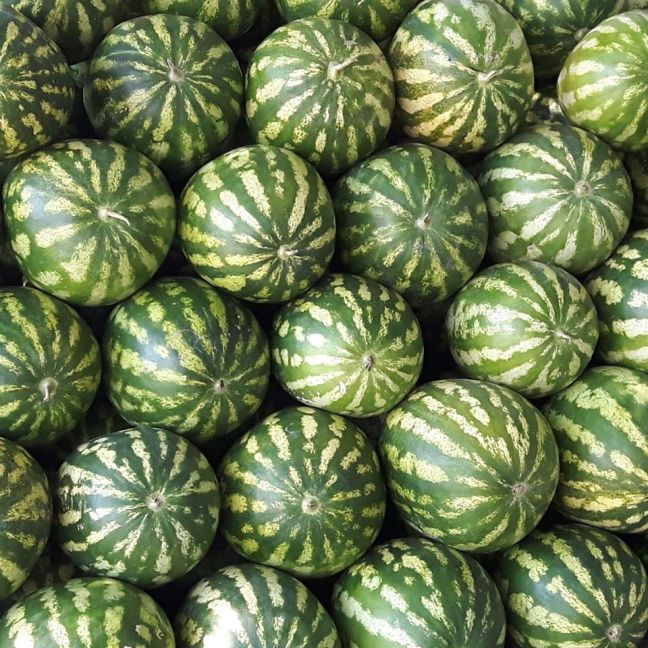
I highly recommend dropping by an outdoor market if you find yourself travelling through Armenia. If you make the summer season, make sure you load up on the super-delicious tsiran / ծիրան (apricots), dzmeruk / ձմերուկ (watermelon), and my personal favorites: purple or green tooz / թուզ (figs).

Travel randomly

Just like a lot of people at the start of they year, I’ve decided to make a resolution.  This one involves sharing some of my global travel experiences with readers and, hopefully, connecting with other travel fans around the world who like to avoid typical destinations.  My goal is to post to this blog on a weekly basis and share experiences that range from roast lamb for Sunday lunch at an abandoned restaurant in Beja, Portugal to staring down into Poland from the highest peak in the Czech Republic.

My destinations are not the most exotic, but hopefully the stories about local contacts and lots of amazingly good food and wine will keep your attention.  So from ramblings about Curacao to the wines of Languedoc onto the bi bim bap on Korean Air … here’s to enjoying all the world has to show and teach us.